
Mission Engineering
From simulation to surface operations.
The discipline that connects hardware to missions: environment modelling, mission planning, field campaigns, flight operations, and the test facilities that qualify it all.
Mission Planning & Architecture
Mission architectures and concepts of operations — defining what a mission must do, the vehicles and payloads it needs, and how surface operations unfold from landing onward.
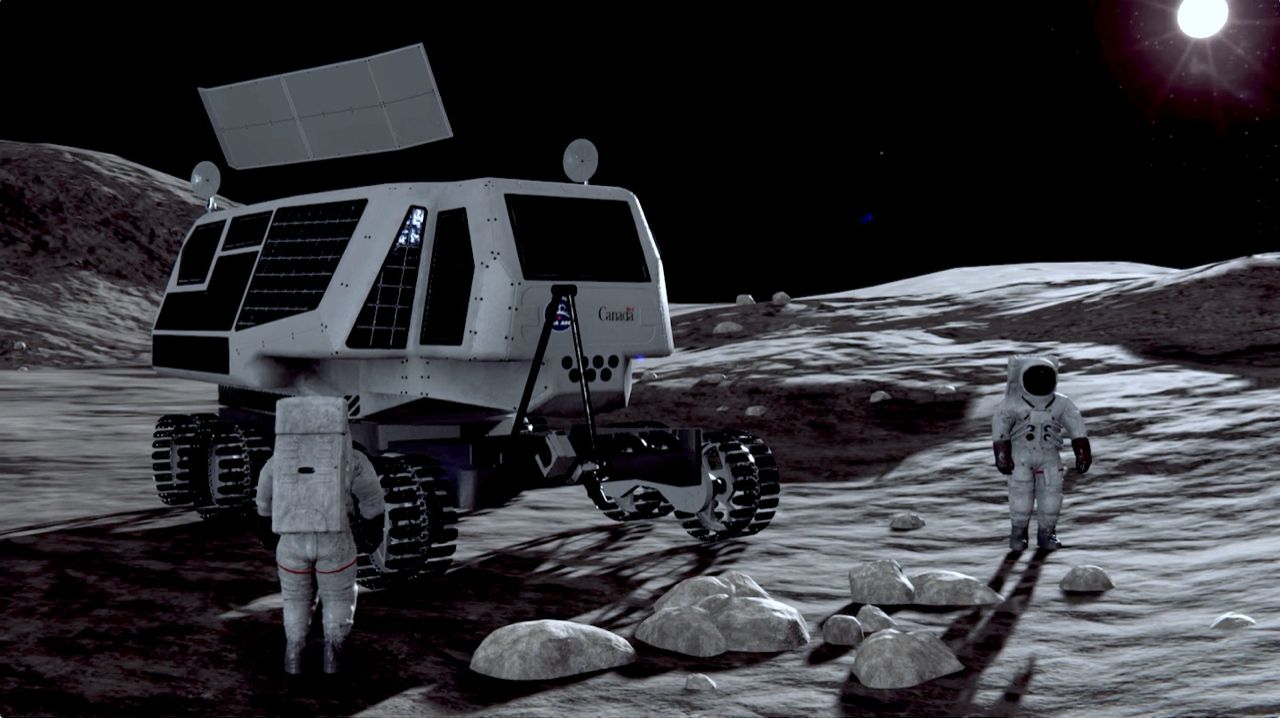
Requirement Development
Derivation and analysis of requirements and specifications — flowing mission objectives down to system, subsystem, and interface requirements that can be built and verified against.
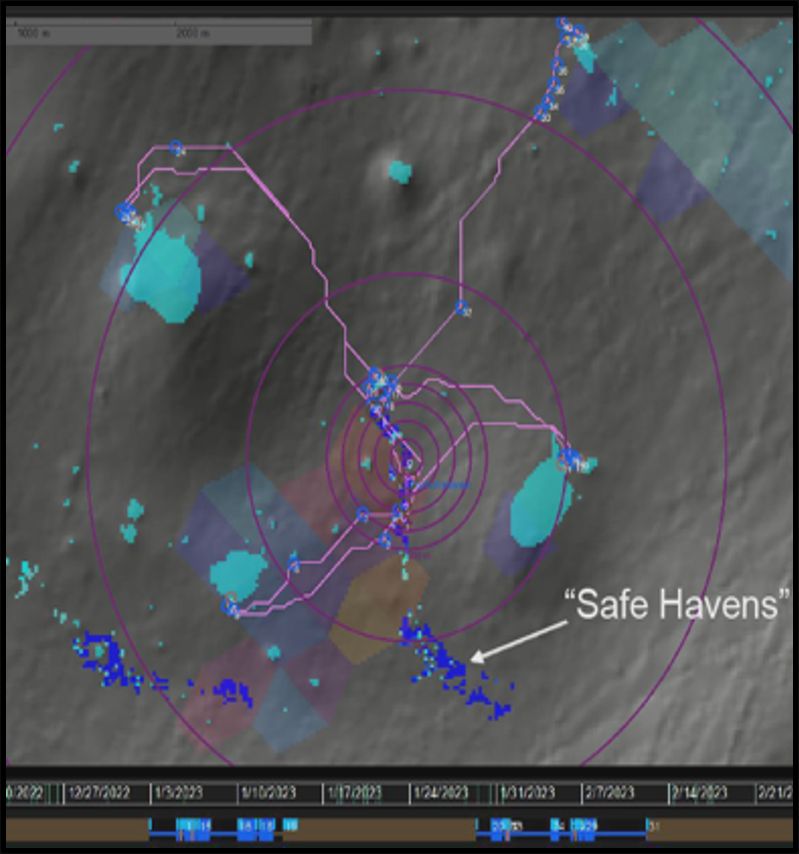
Simulations & Analysis
High-fidelity lunar polar environment models — illumination, thermal, terrain, and communications coverage — used to design trajectories and surface traverses before hardware ships.
Verification & Test
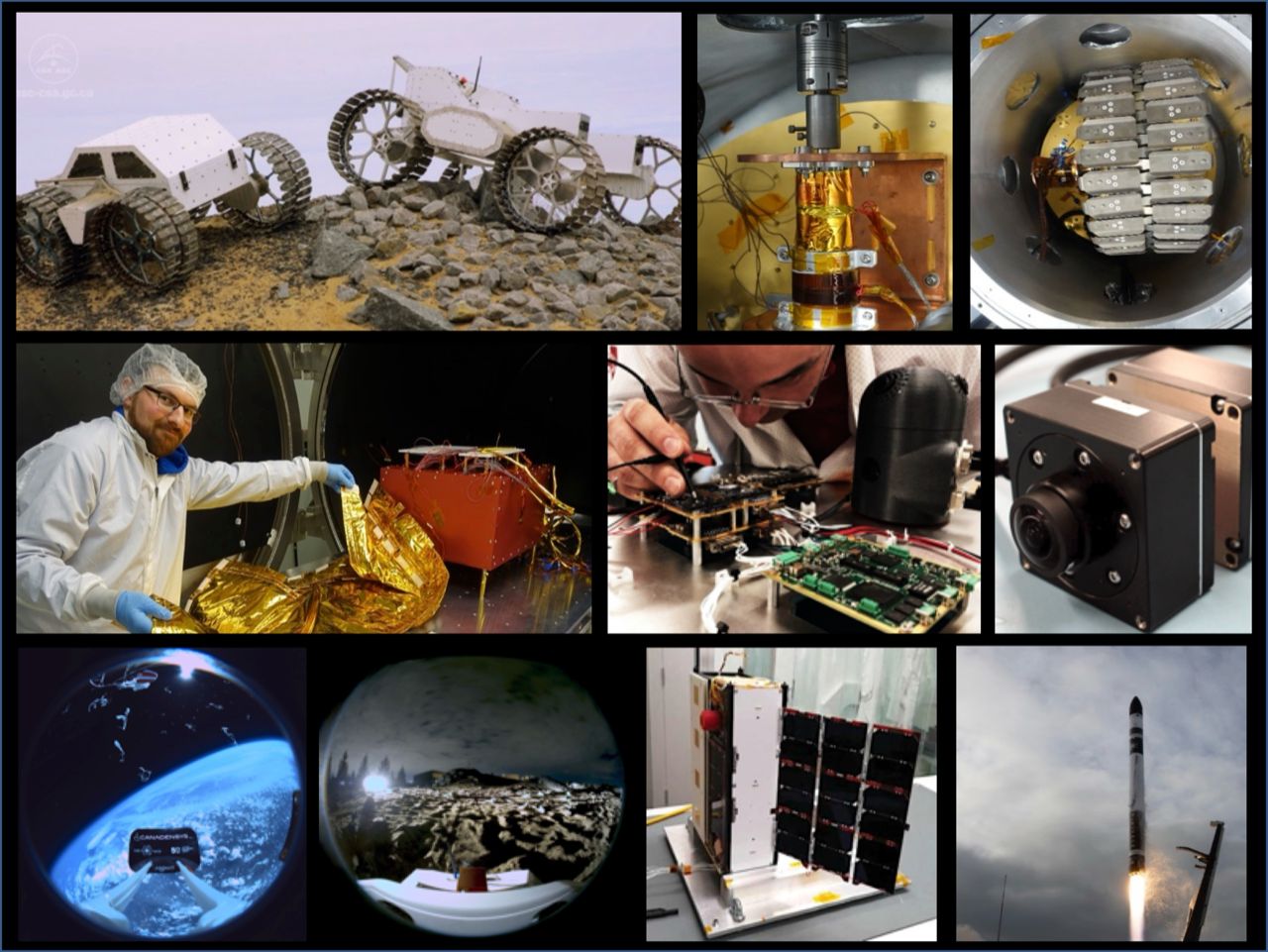
Analogue campaigns like LSASP put flight-like vehicles and operations teams into lunar-analogue terrain, retiring risk on procedures before launch.

Mission Operations
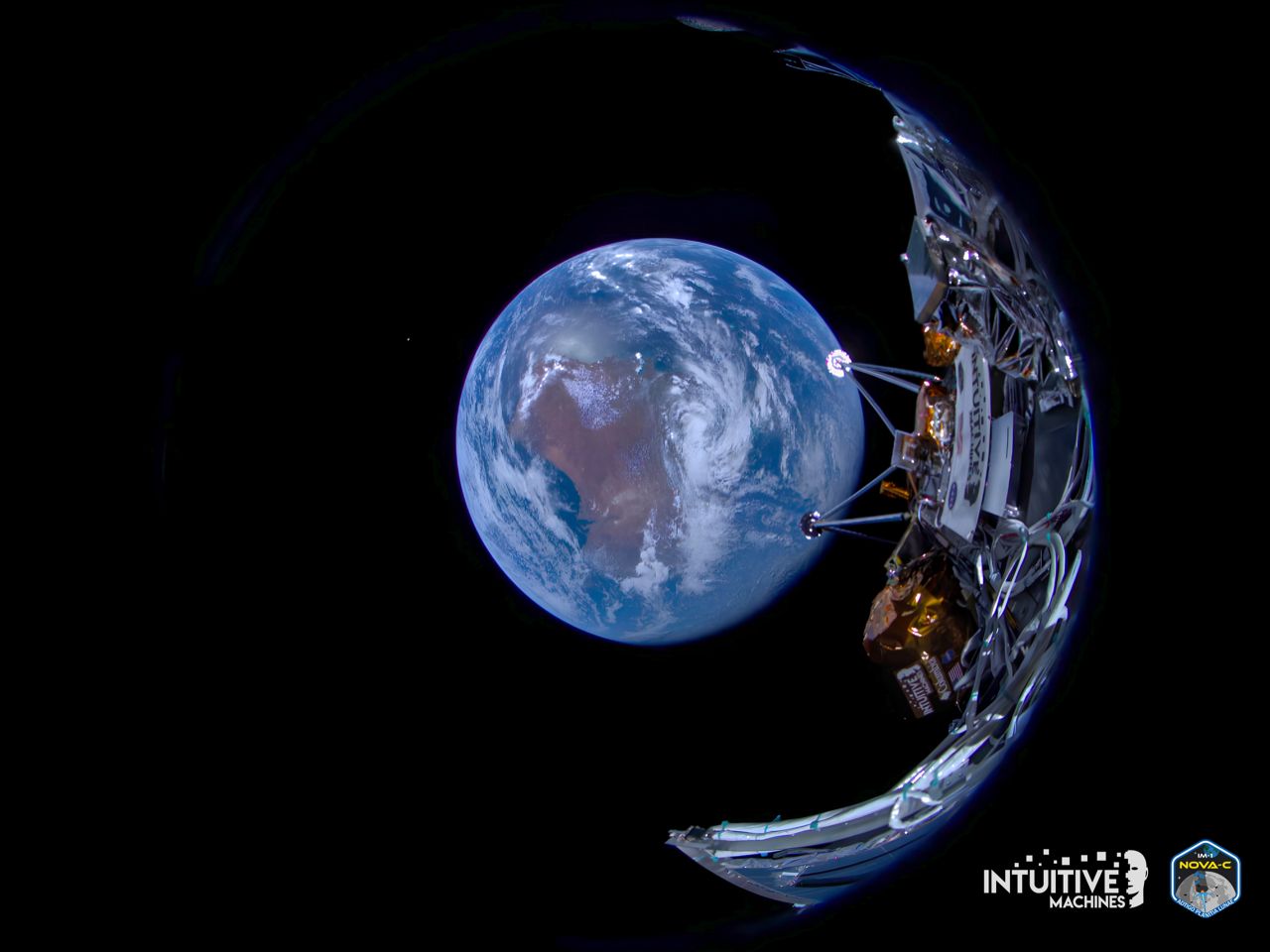
Our operations team uses the Canadensys mission operations control room to handle planning, commanding and downlinking for deep space missions. This capability, honed on past lunar missions, serves current ones and can be integrated into future exploration missions.
Engineering Infrastructure
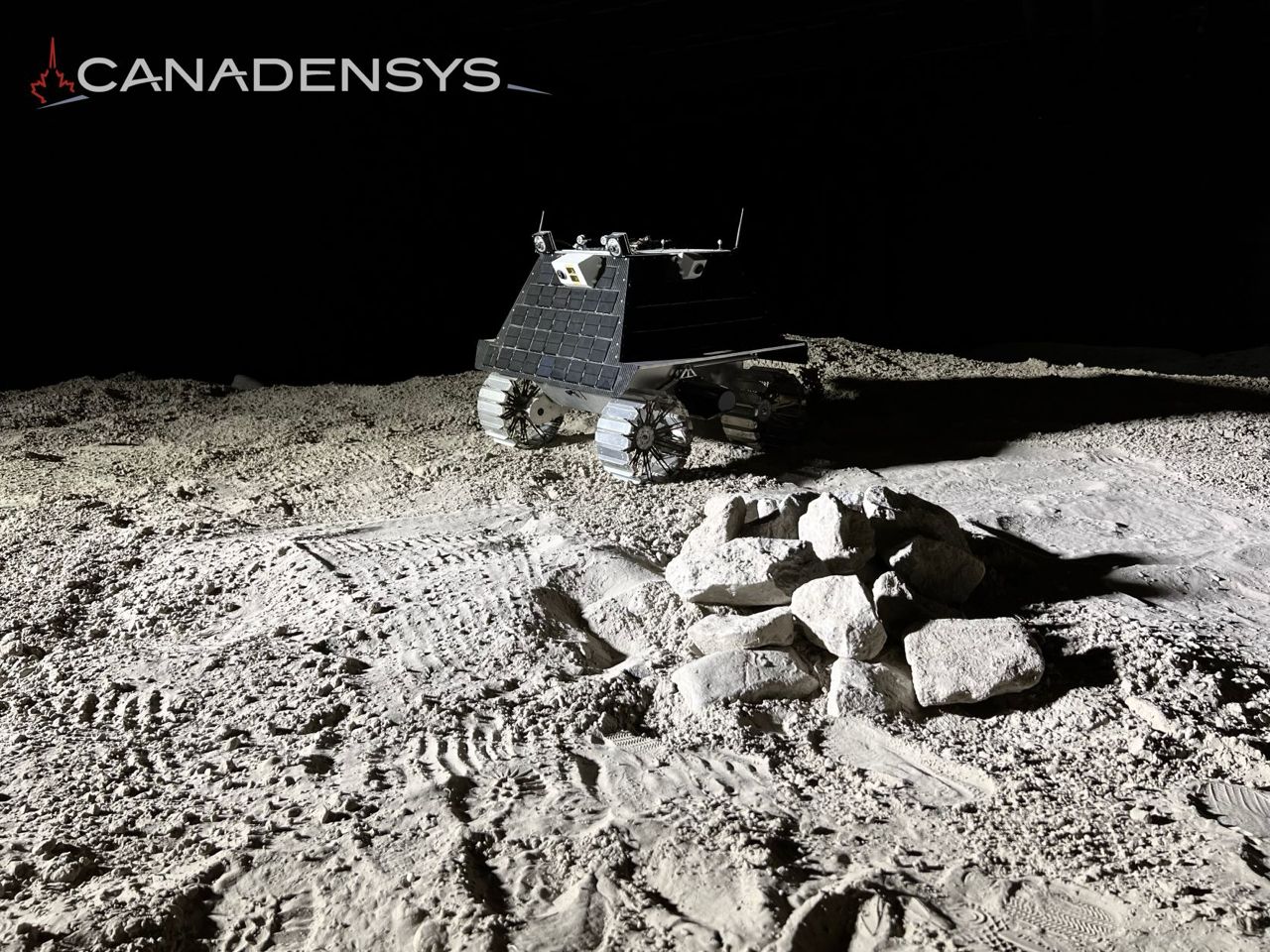
Rover testbed
Indoor mobility and GNC development environment.
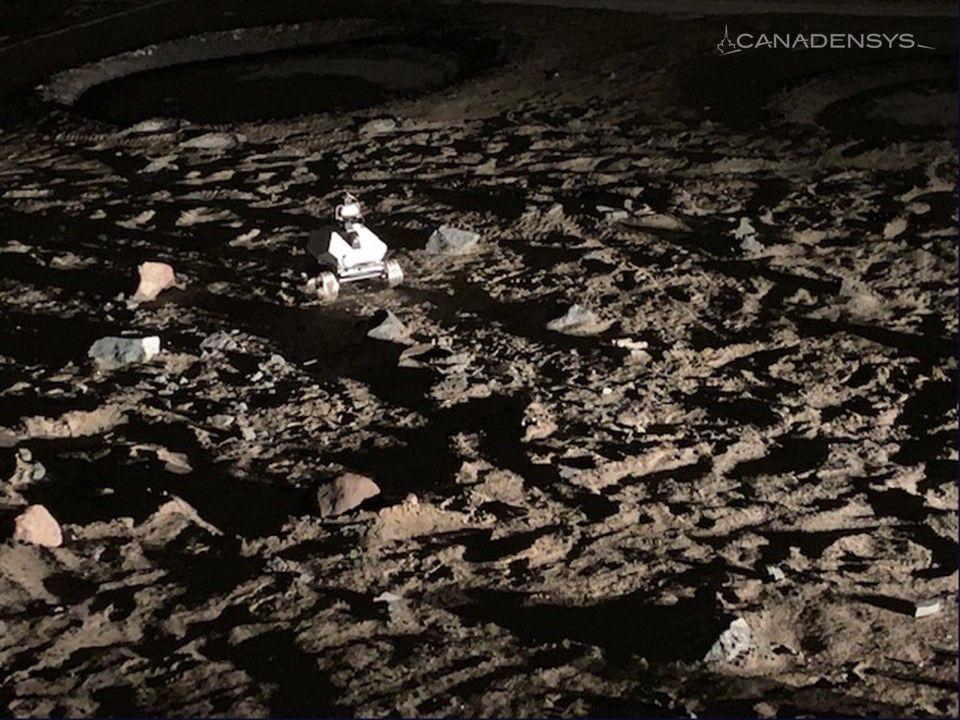
Field campaigns
Outdoor planetary analogue testing for full-vehicle trials.
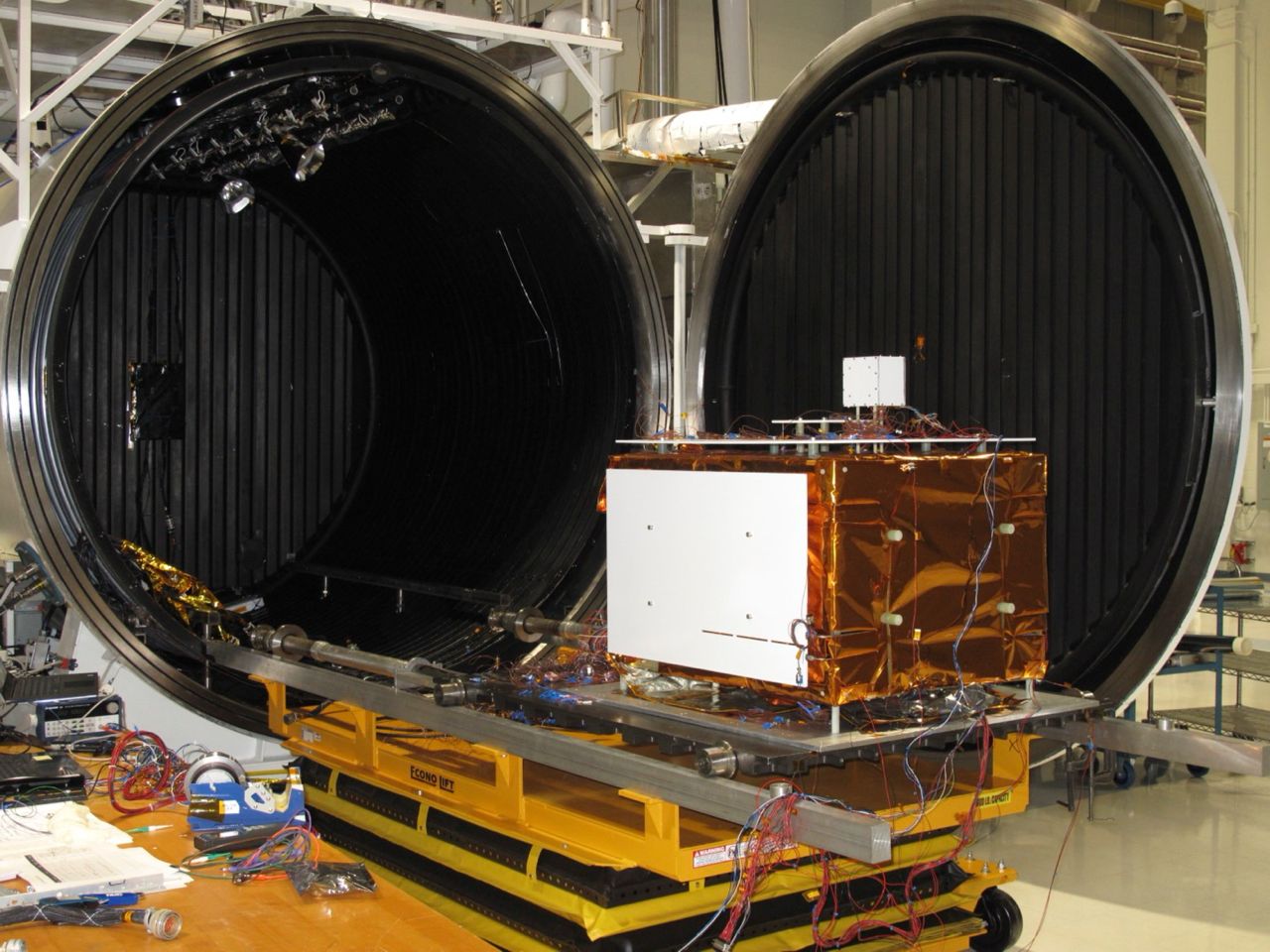
Cryo TVAC
Thermal-vacuum chamber reaching lunar-night temperatures.
Have a mission engineering requirement?
Talk to the team that makes this hardware.