
Cameras · NISA Family
NISA Camera
Ruggedized low-mass flight imager. Lunar flight-proven and manifested on missions across the solar system.
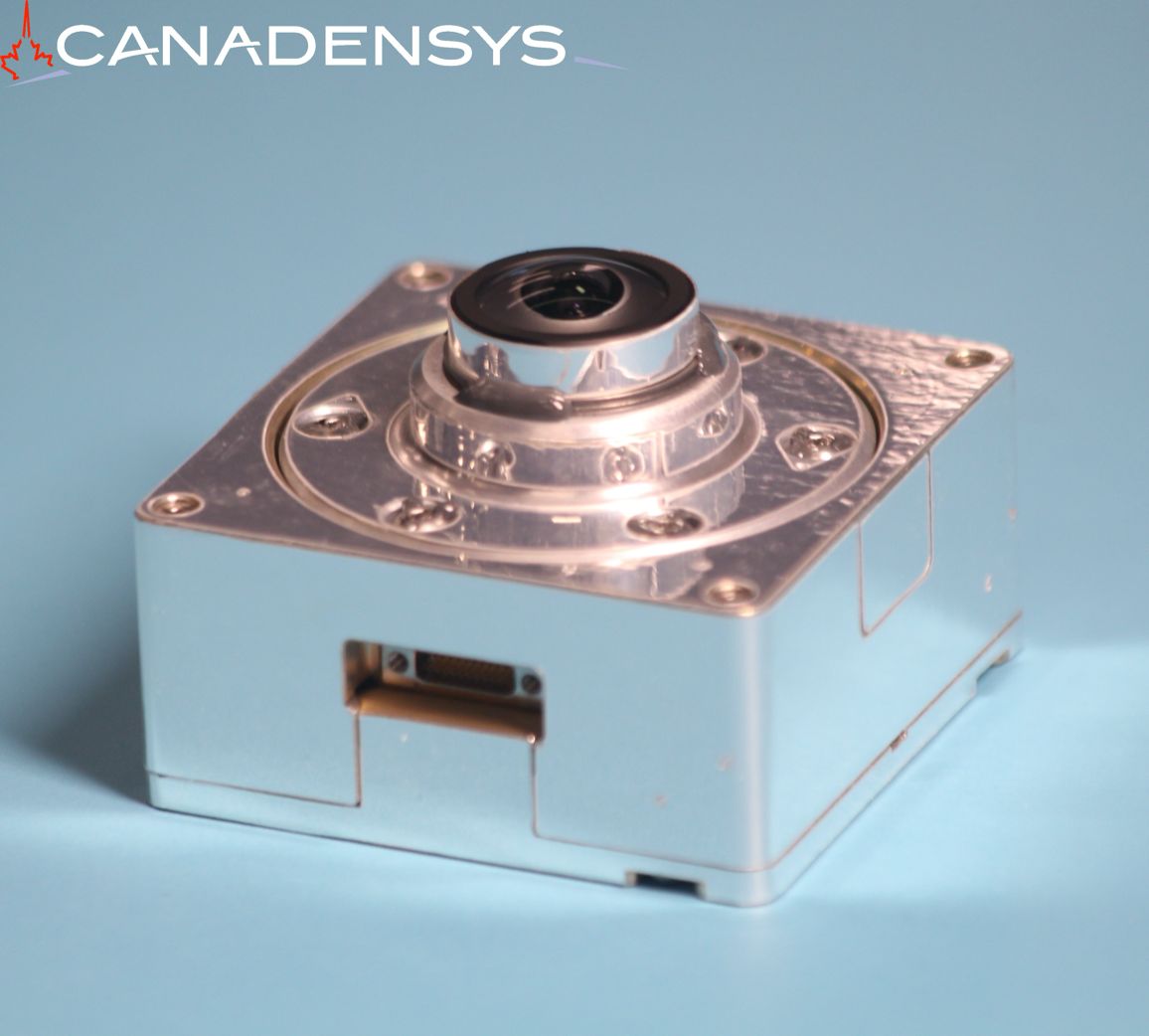
NISA Flight Unit · TRL 9
Specifications
Imager type
Colour (Bayer), Monochrome
Imager resolution
4000 × 3000 (12 MP)
Pixel size
1.85 µm × 1.85 µm
Shutter type
Rolling shutter with global reset
Maximum bit depth
12 bits per pixel
On-board storage
64 GB (32 GB hi-rel mode)
Operating temperature
−25°C to +50°C
Survival temperature
−200°C to +70°C
Radiation
Qualified to typical TID for 5 years in LEO
Vibration
Qualified to GEVS levels
Data interface
RS-422 / USB 2.0 / Ethernet over USB
Input voltage
+3 to +5.5 VDC
Power consumption
2.2 W avg / 5 W peak
Mass
135 g (with 186° lens)
Connector type
21 pos Nano-D
Dimensions (with 186° lens)
50 mm × 50 mm × 39 mm
01
Built to Survive Lunar Night
Designing space electronic and optical hardware to survive lunar night is hard. Beyond radiation, abrasive regolith, and limited, intermittent communications back to Earth, the hardware must endure temperature extremes from −200°C through +70°C. When Canadensys needed a compact camera system for our upcoming lunar rover missions that could robustly survive this environment, nothing on the market had these capabilities — so we developed our own NISA (Nano Immersive Situational Awareness) family of cameras, with highly specialized robust electronics and optics.
A camera robust enough to survive lunar night can serve missions across the solar system. Customers demanding the most robust camera solution have flown NISA cameras not only on lunar surface missions but on intense civilian and defence missions in Earth orbit and beyond. Our cameras were instrumental in the success of the first commercial soft landing on the Moon — IM-1 Odysseus — where seven cameras provided narrow-field high-resolution imagery, wide-angle contextual landscape views, and even precise astronomical observation of the stars from the lunar surface. NASA selected a multispectral microscope version of the Canadensys camera (opens in a new tab) as a key instrument for the NASA Lunar Vertex mission, and over 25 NISA cameras are manifested on upcoming international lunar lander missions in the next 24 months.
The baseline camera is under 5 x 5 x 4 cm and 135 g, with an integrated on-board CPU that compresses images and memory that stores thousands of them. Compressed images or small thumbnails can be sent to Earth on minimal bandwidth, letting ground controllers choose which images to download at full resolution, while a powerful scripting language enables highly automated operations.
The NISA family offers colour and monochrome imagers, thermal coatings for various regimes, and fields of view from over 180° to under 20° through standard or customized lenses. Electronic scene stitching provides true full-spherical imaging around a spacecraft with no moving parts. Options include stray-light reduction baffles, mounting systems, and a star-tracker package for added functionality on mass-constrained micro missions. A high-resolution lunar-night-survivable pan-tilt unit (PTU*) is in development for planetary surface missions.
Whether you need a stock configuration or one customized to your mission requirements, Canadensys has a NISA camera for you. To explore lunar flight-proven NISA cameras for your upcoming mission, contact info@canadensys.com.
* PTU development is undertaken with the financial support of the Canadian Space Agency
02
Gallery
Imagery captured by Canadensys NISA cameras in flight.
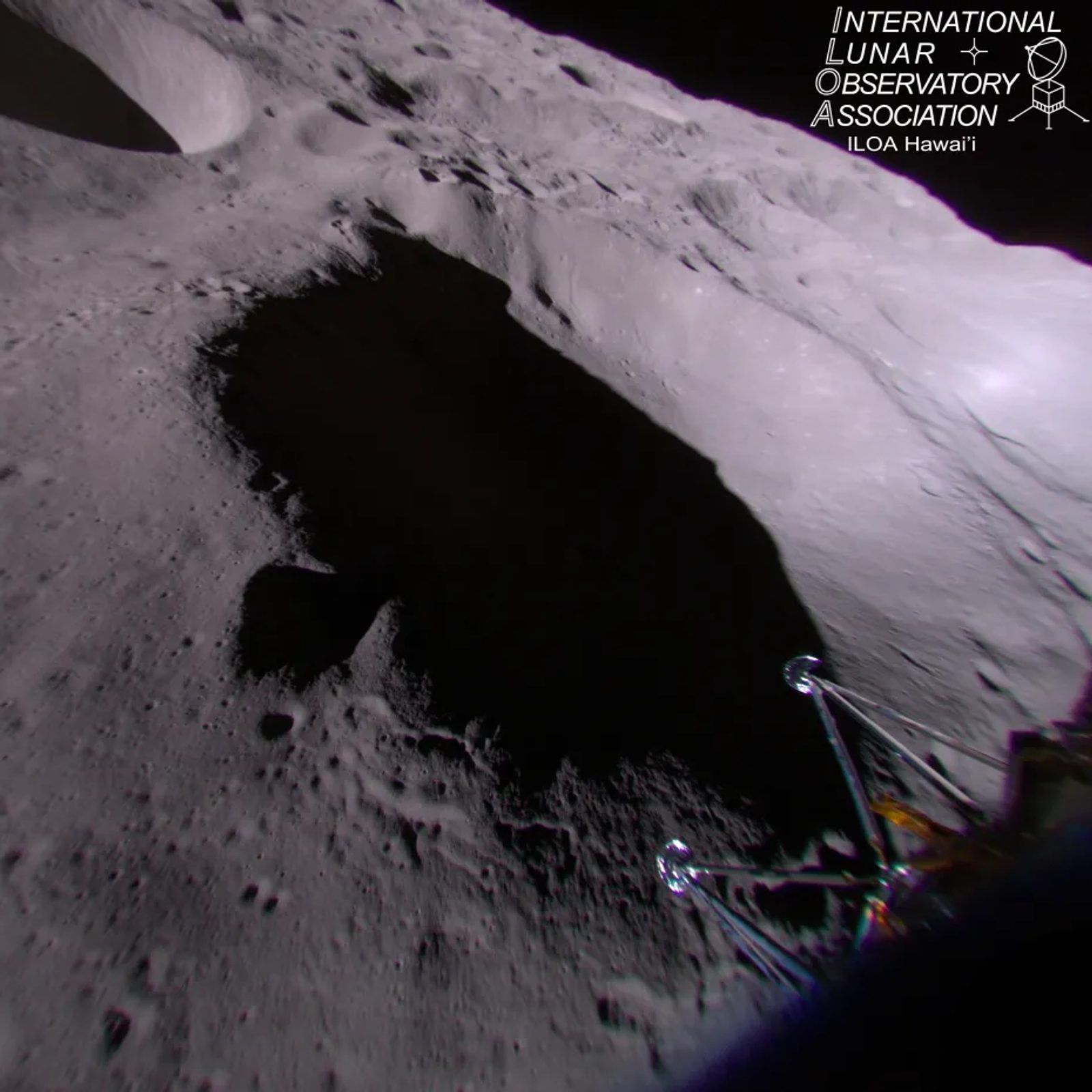
ILO-X: Rectified image of the lunar south pole.
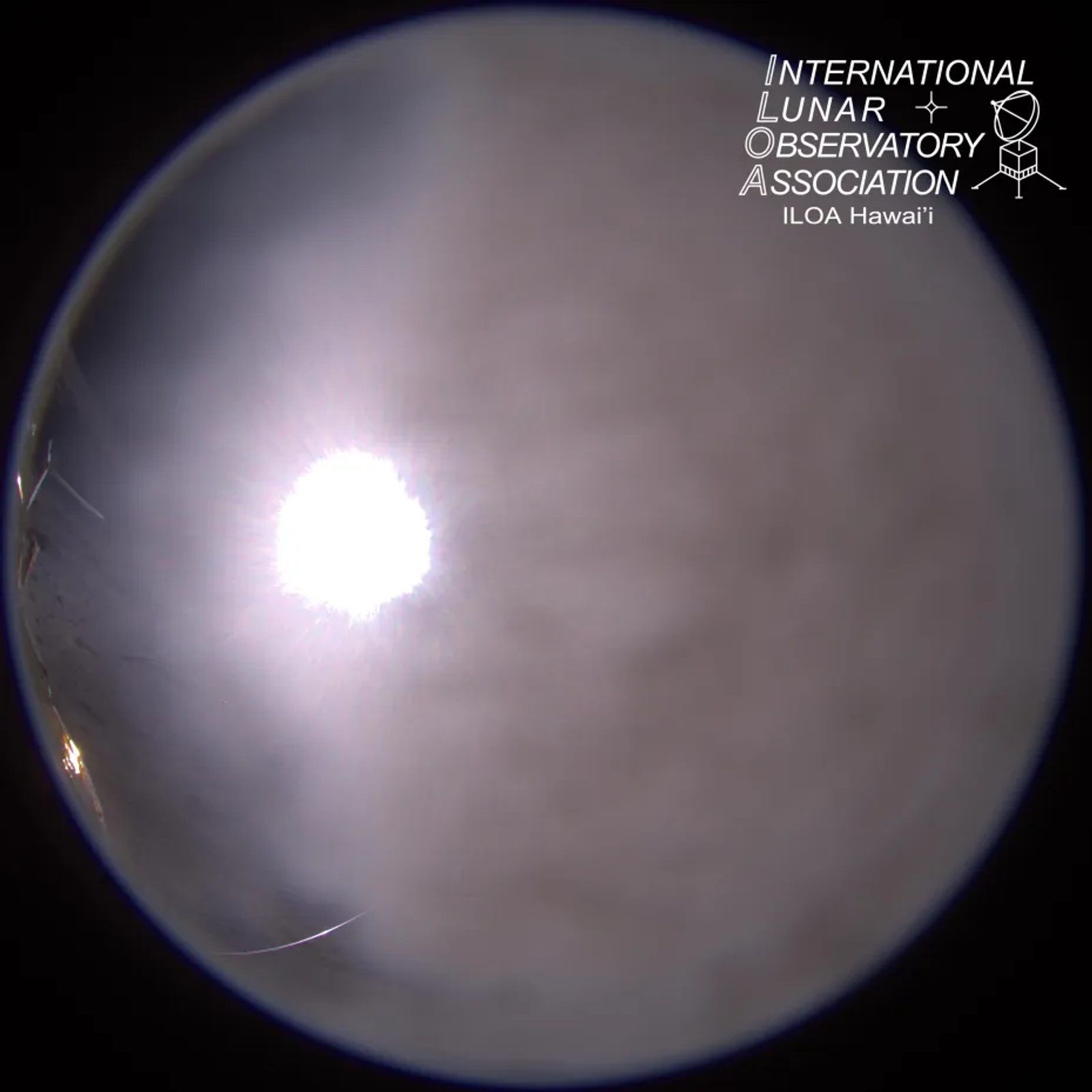
ILO-X: Image captured from the lunar surface.
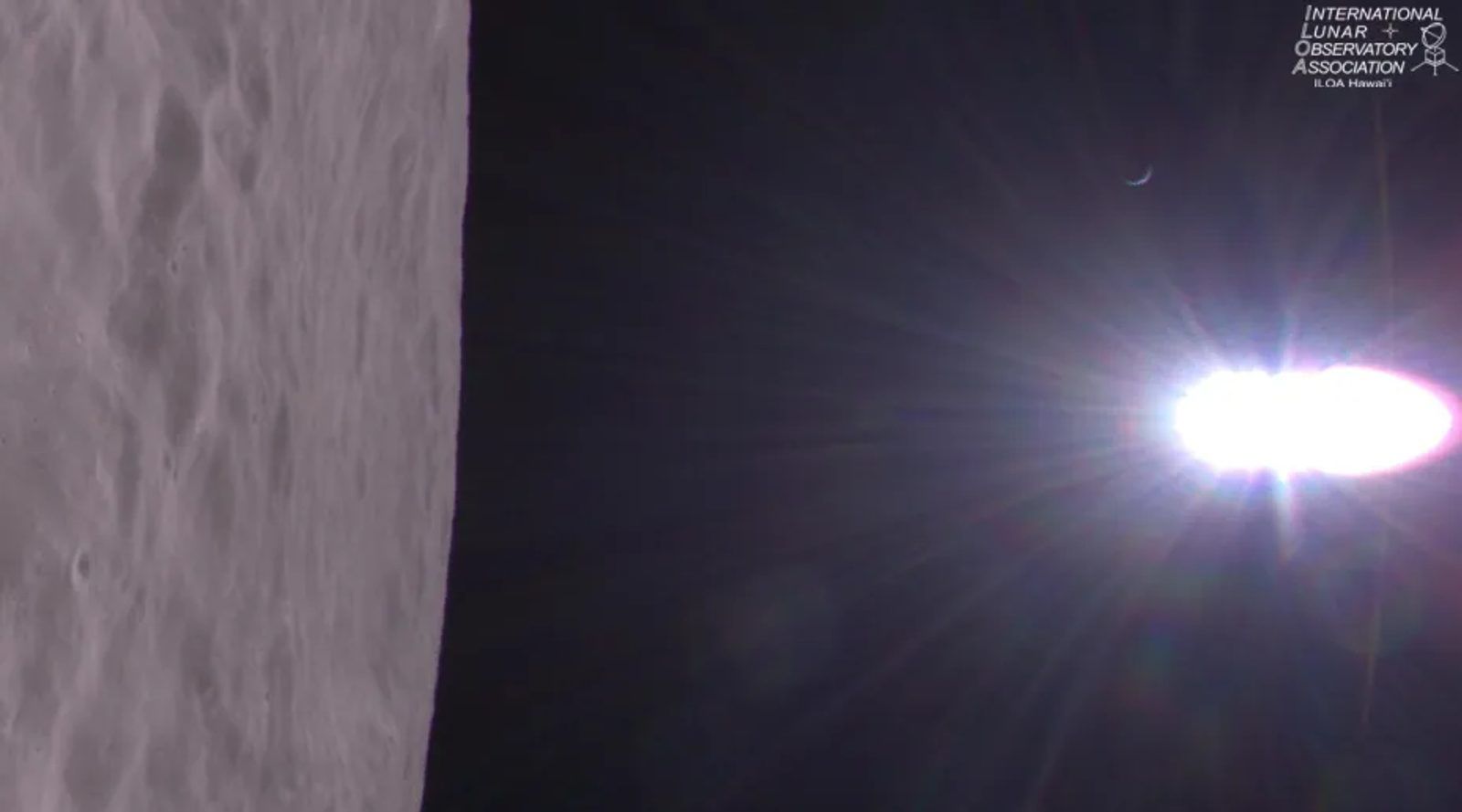
ILO-X: Rectified thumbnail image of the lunar surface.
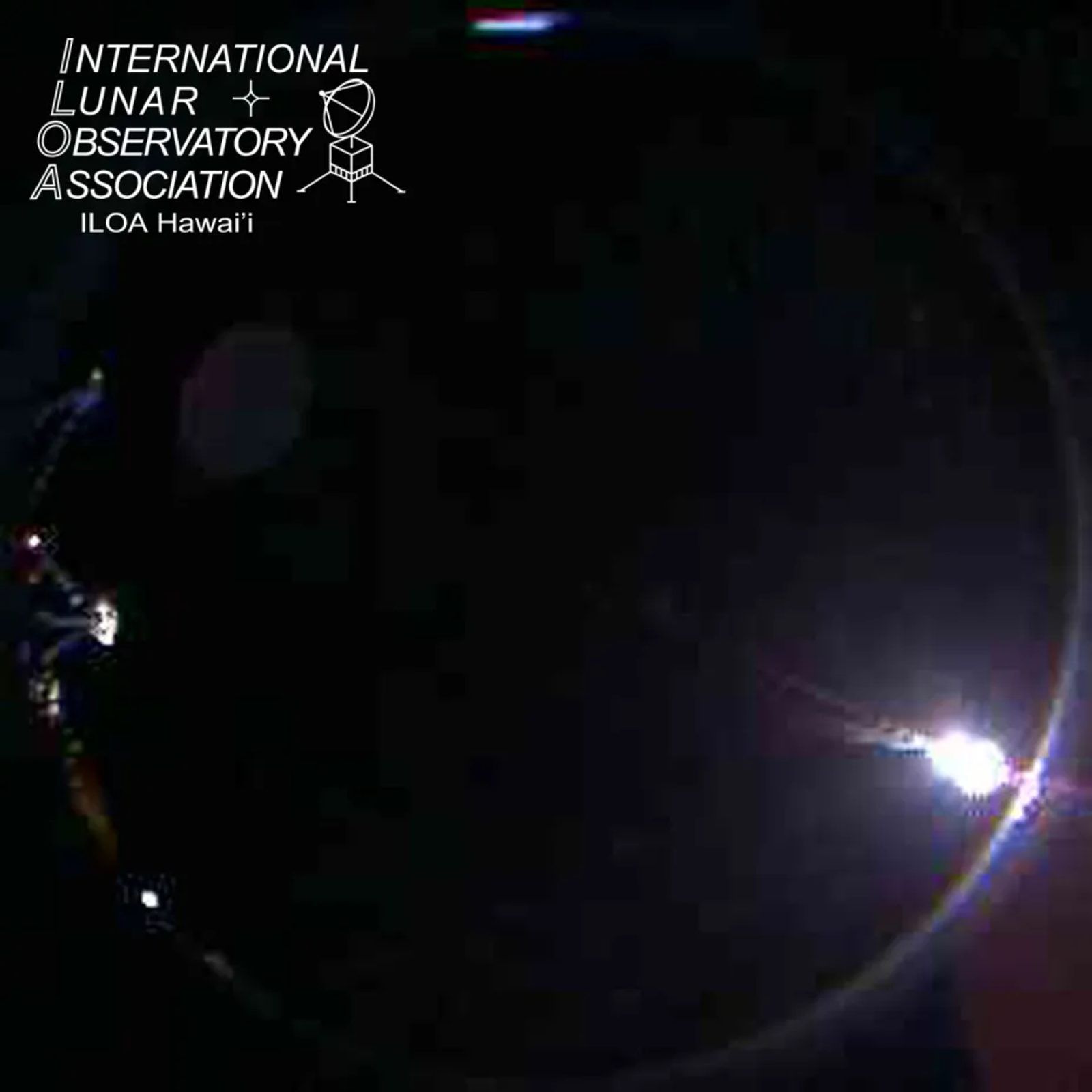
ILO-X: Thumbnail image captured during transit.
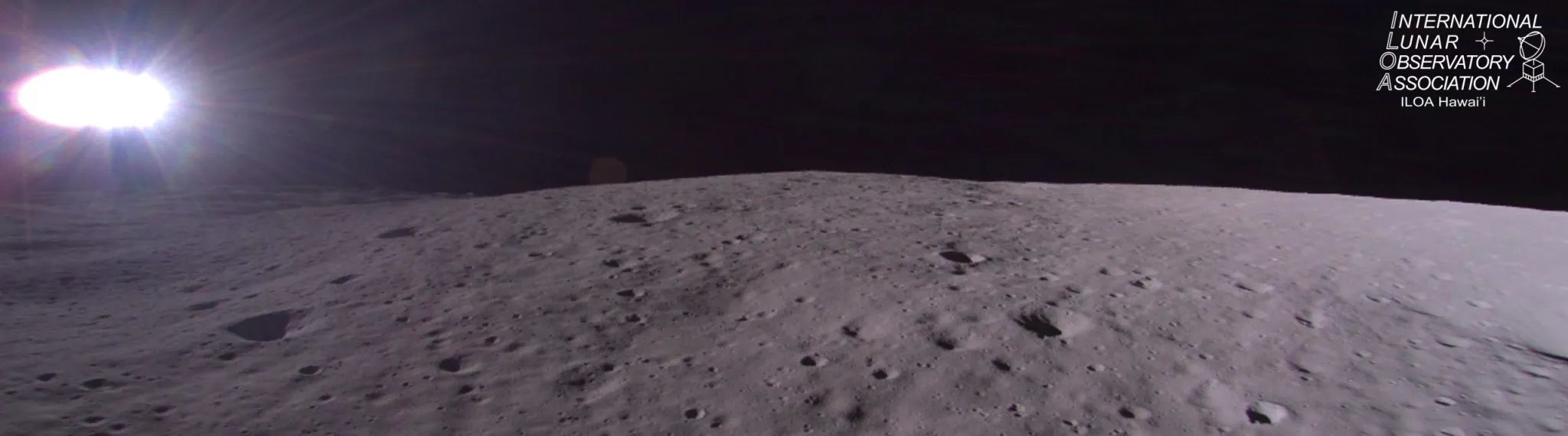
ILO-X: Panoramic image taken 13 seconds before touchdown.
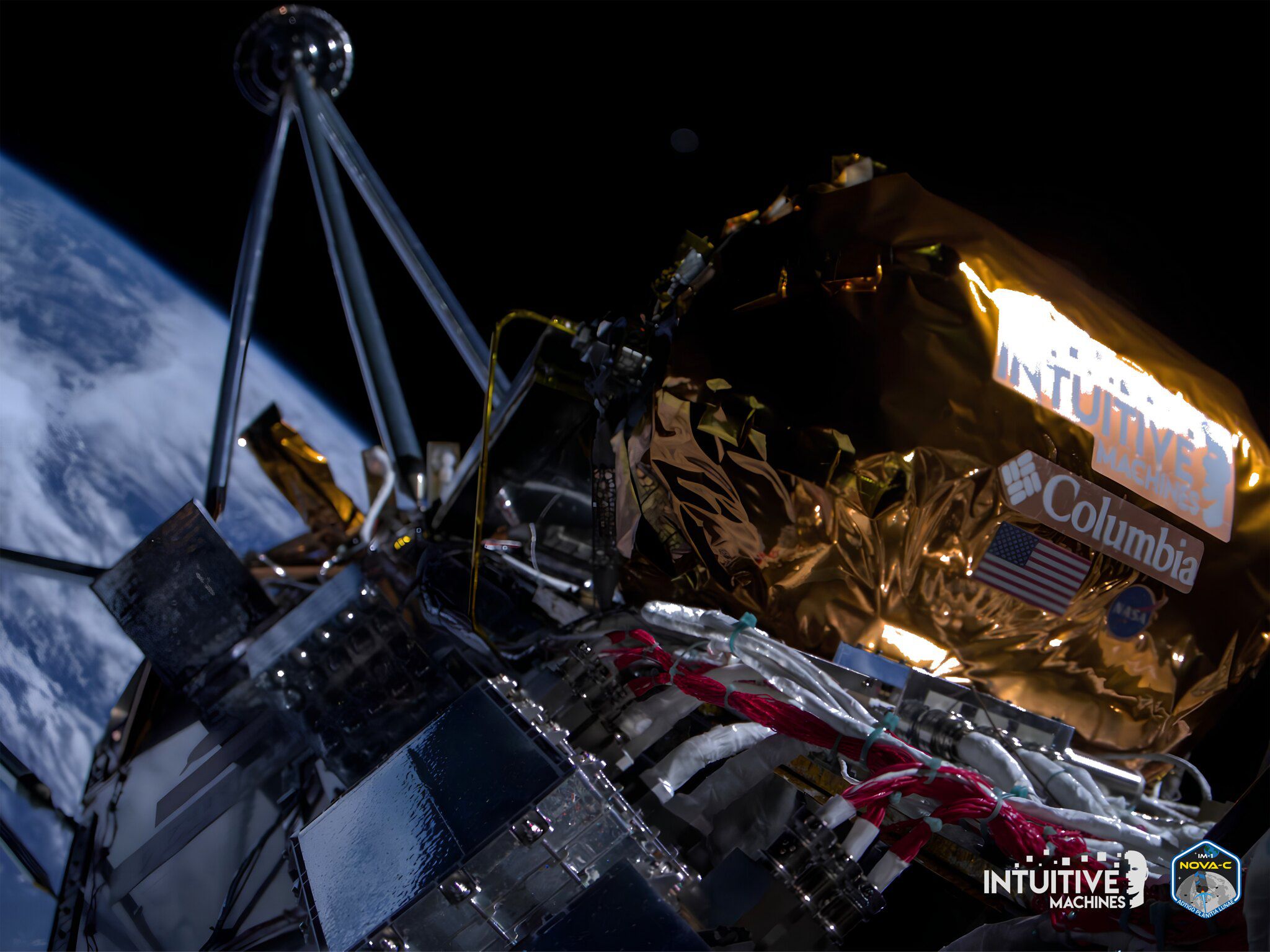
IM-1: Earth in view.
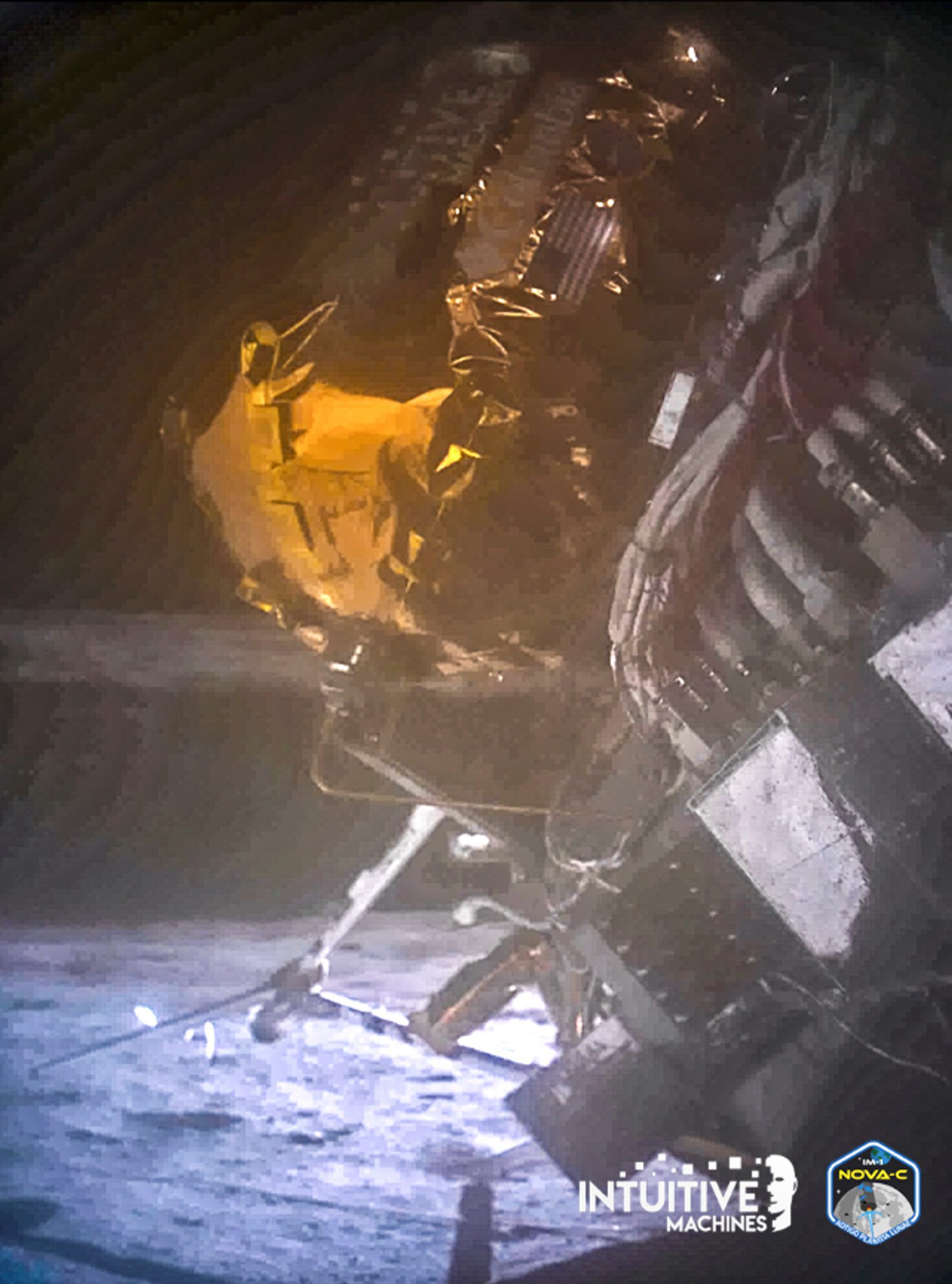
IM-1: Lunar surface thumbnail.
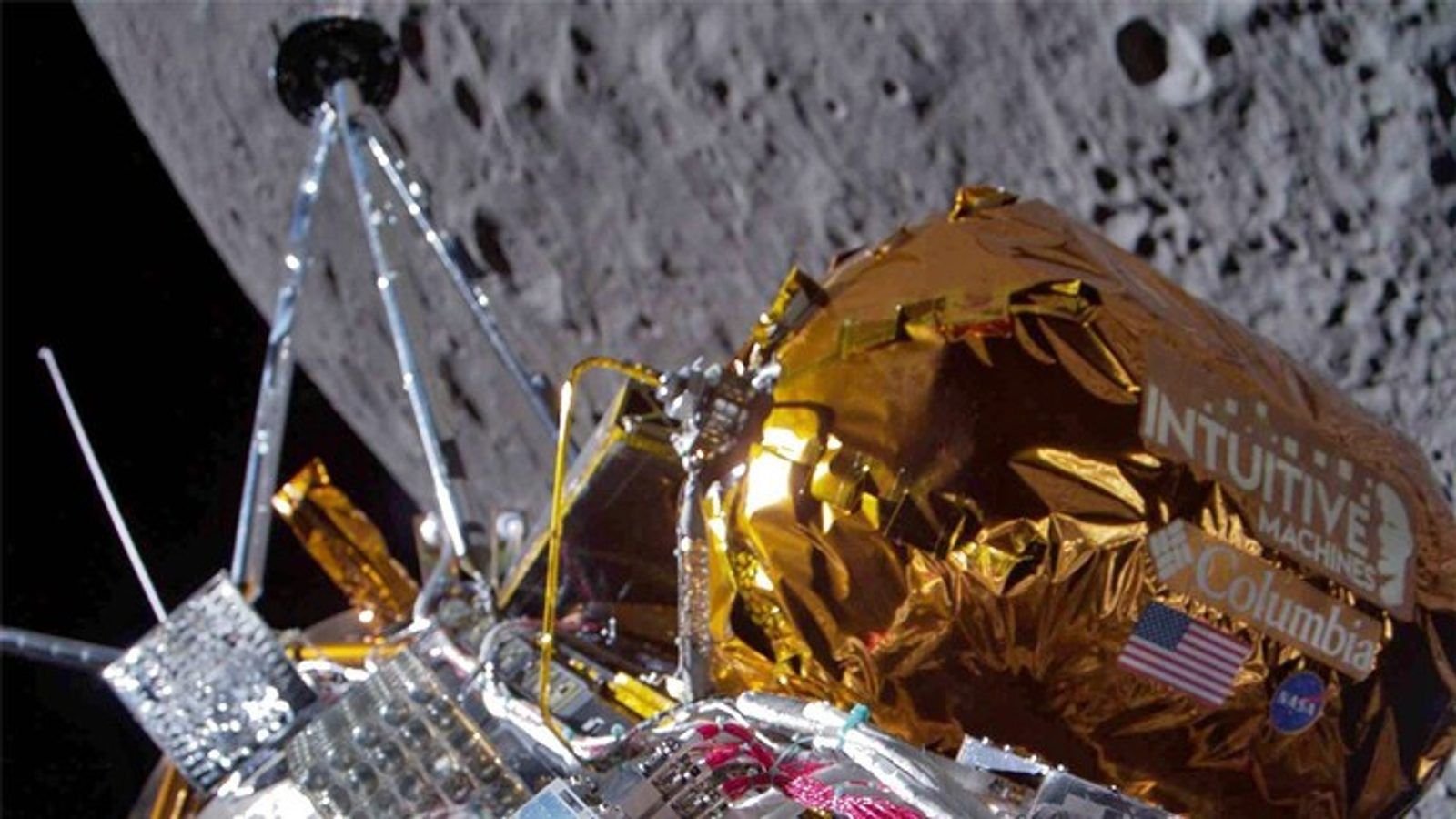
IM-1: Descent image.
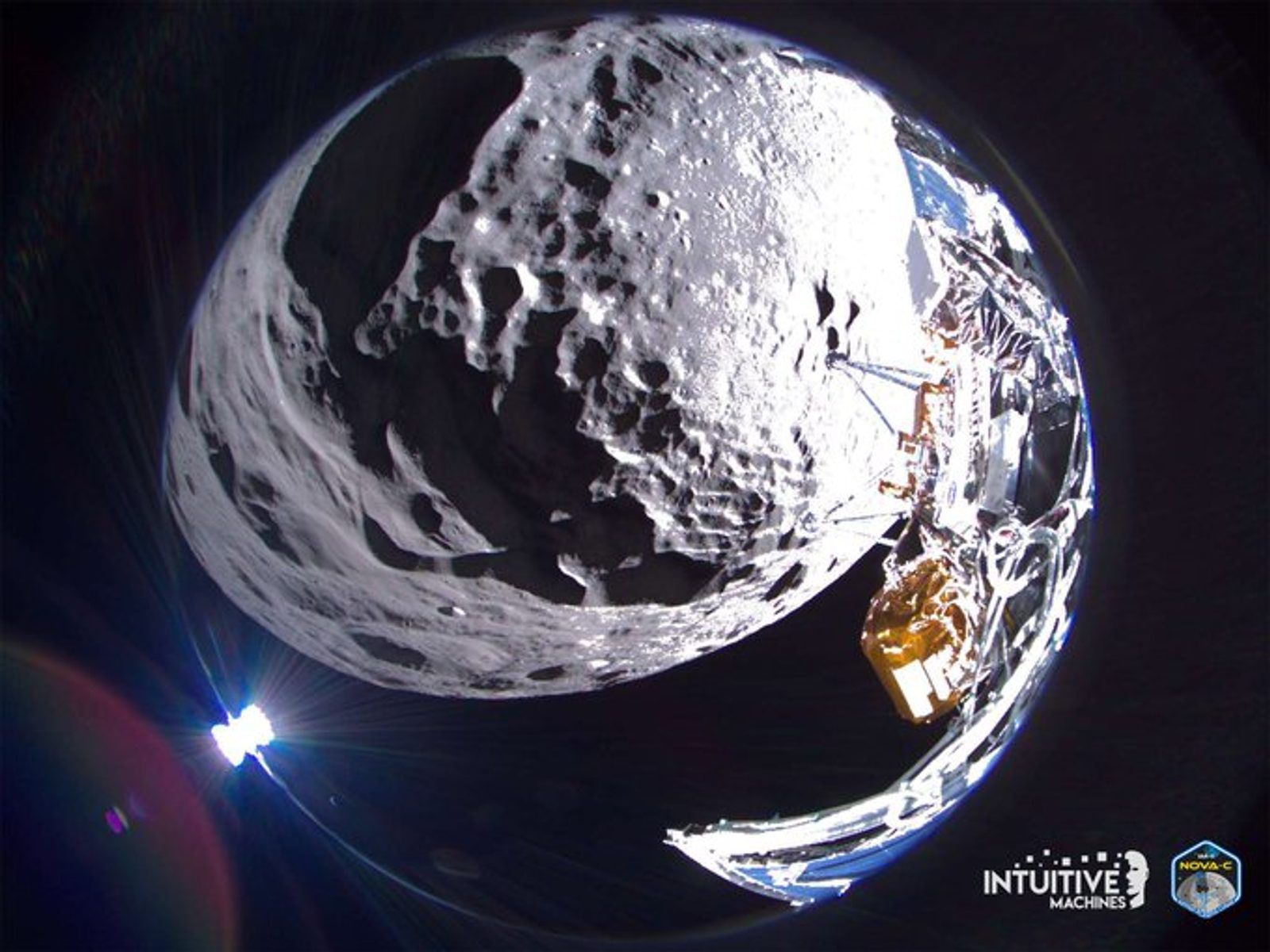
IM-1: Fisheye descent image.

IM-1: Landing image.

IM-1: Fisheye landing image.

IM-1: Full Earth image.
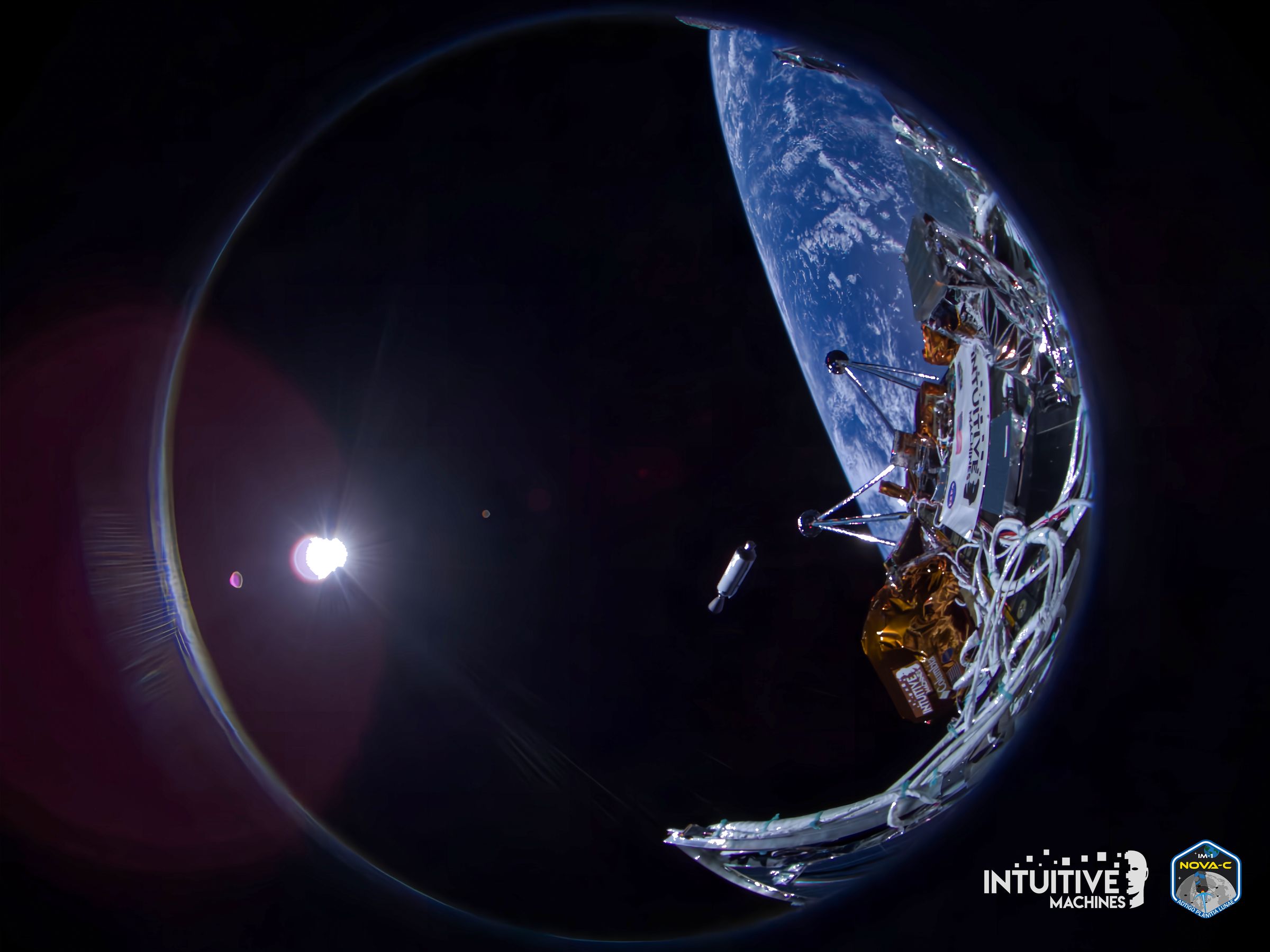
IM-1: Second stage image.

ispace M1: Image captured in transit.

ispace M1: Image taken in lunar orbit.
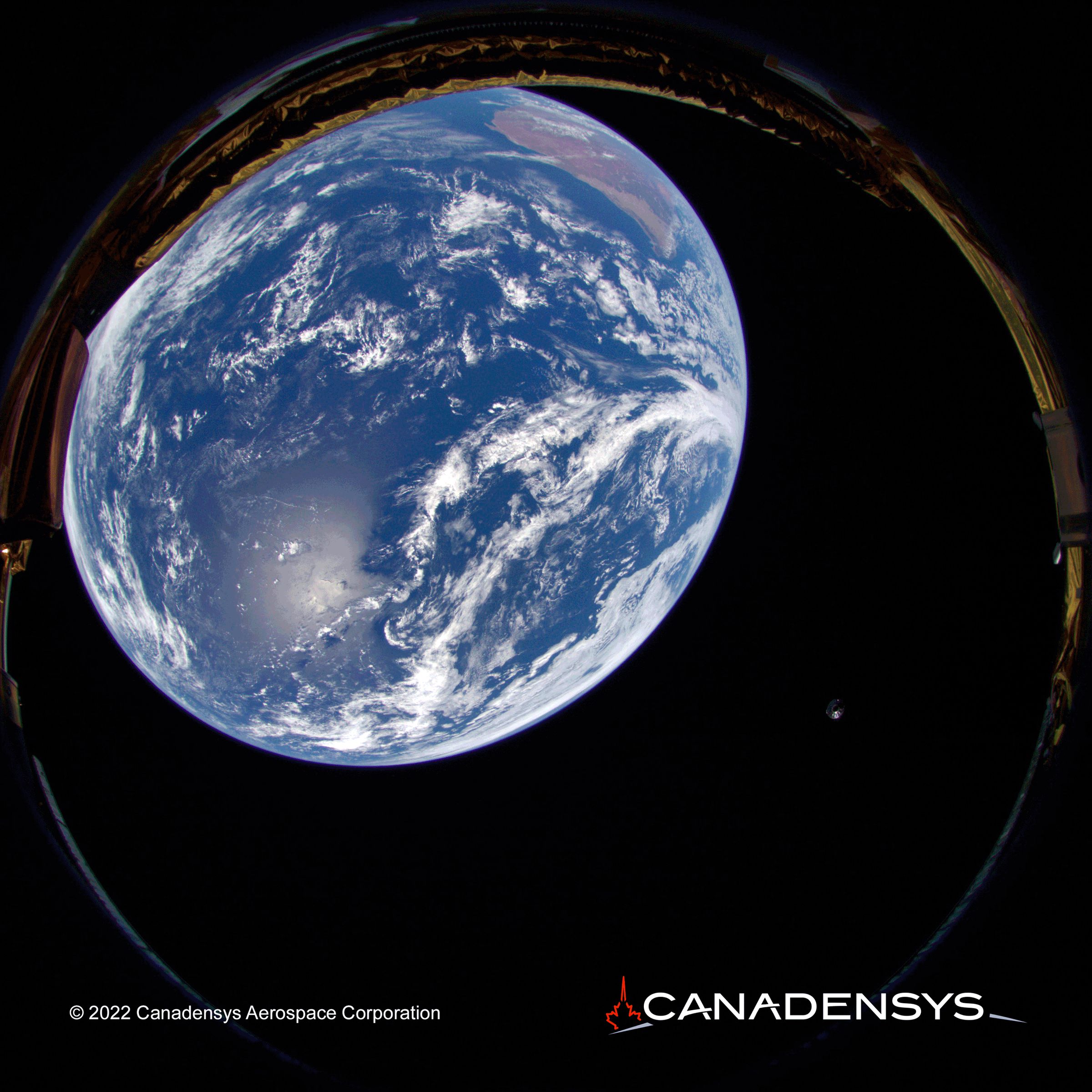
ispace M1: Image taken 2 minutes after separation of second stage.
Have a NISA camera requirement?
Talk to the team that makes this hardware.